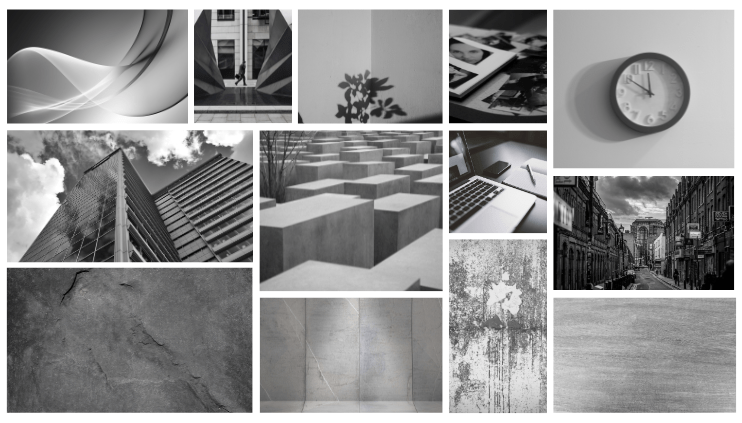
In the spectrum of colours that paint our world, grey occupies a unique space, embodying a subtle elegance and a quiet sophistication. From the muted tones of cityscapes to the soft hues of a stormy sky, grey is a colour that transcends boundaries, weaving its way through art, culture, and design.
Grey is a mix of both white and black and embodies the characteristics of both. It signifies the middle ground and how in the world we live everything is in different shades of grey. There is no white or black, it is all in the 50 shades of grey.
In Western culture, grey is often associated with modernity and industrialization. It is the colour of urban landscapes and architectural marvels, symbolising progress and innovation. grey buildings and structures are typical of technological advancement and the bustling energy of city life.
Grey is also synonymous with neutrality and impartiality in many cultures. It is the colour of compromise and balance, bridging the gap between opposing forces. In political discourse and diplomatic negotiations, grey serves as a symbol of diplomacy and pragmatism, fostering dialogue and understanding.
It also exudes a sense of sophistication and elegance, making it a popular choice in fashion and interior design. It is a colour that evokes a refined aesthetic, enhancing the beauty of surrounding elements.
Grey is prized for its practicality and versatility. It serves as a neutral backdrop for other colours and design elements, allowing them to take centre stage. In design, grey provides a sense of balance and harmony, creating cohesive and visually pleasing compositions.
In some contexts, grey can be perceived as dull or drab, lacking the vibrancy of other colours. It may evoke feelings of monotony or boredom, particularly when used excessively or without contrast.
Grey skies and gloomy weather are often associated with feelings of sadness and melancholy. The colour grey can evoke similar emotions, reminding us of life’s uncertainties and challenges. In art, grey may be used to convey themes of introspection and existential angst.
In art, grey is used to evoke a range of emotions and concepts. From the subtle shades of a grayscale landscape to the nuanced tones of a portrait, grey adds depth and complexity to artistic compositions. It is a colour that speaks volumes without uttering a word, inviting viewers to contemplate the mysteries of existence.
In design, grey is valued for its versatility and adaptability. It serves as a neutral backdrop for other colours, textures, and patterns, allowing them to shine. grey interiors are celebrated for their understated elegance and timeless appeal, creating spaces that feel inviting and sophisticated.
Grey signifies neutrality and balance, serving as a mediator between extremes. It is the colour of compromise and moderation, fostering harmony and equilibrium in both art and life.
It also signifies subtlety and sophistication, embodying a refined aesthetic that transcends trends and fads. It is a colour that speaks volumes in its quiet elegance, inviting contemplation and introspection.
In the tapestry of colours that paint our world, grey emerges as a hue of profound depth and complexity. It is a colour that embodies both the light and the shadows, the yin and the yang.
 The Quest for Thought
Leave a comment